Although many people’s homes connect to a municipal sewer system, others may need another option. People living in rural areas where traditional sewer systems aren’t available often consider installing a septic system. Learn how septic systems function and what homeowners need to know to manage their operation.
How a Septic Tank Manages Your Wastewater
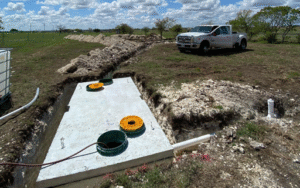
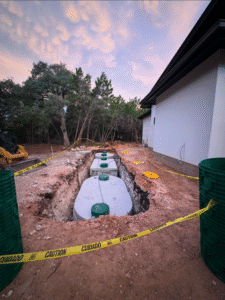
Septic system installations start with finding a space on the property that’s large enough to accommodate the tank and leach field. Every time you run a dishwasher or flush a toilet in your house, the sewer pipes carry the wastewater to the septic tank buried on the property. The tank accepts both water and solids and holds the waste until it slowly leaches into the ground.
Recognizing the Parts of a Septic System
Many people need the various septic system components explained when having one installed for the first time. Understanding each of these parts helps recognize when something is wrong with the system.
Sewage Pipes Carry the Home’s Wastewater
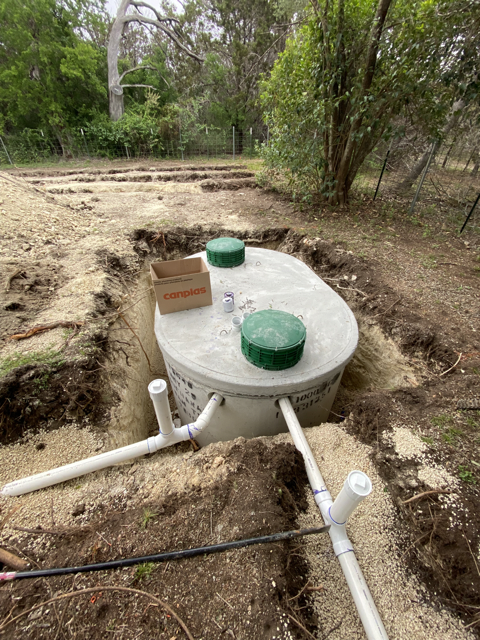
Your home has sewage pipes that carry wastewater from toilets, showers, and washing machines. These pipes eventually connect to a single main sewer line. It usually exits the home just below ground level through a hole in the foundation. The pipe then runs underground to the location of the buried tank.
The Septic Tank Holds the Sewage
The large septic tank holds the wastewater and solids. Bacteria in the tank break down the solids, causing them to decompose before they seep into the leach field.
The layer of solids and sludge continues to build up over months and years. Because bacteria cannot completely eliminate solid waste, homeowners need to schedule septic pumping every three to five years to keep their systems working optimally. Such services help the tank operate smoothly while also extending its lifespan.
The Leach Field Manages the Tank’s Drainage
The leach field consists of a set of perforated pipes buried underground. They connect to the septic tank, allowing it to release its wastewater into the surrounding soil. During septic system installations, professionals will lay perforated pipes in trenches filled with gravel, with soil around them. The gravel helps the water move through the soil more efficiently.
As the solids inside the tank continue to decompose, they’ll flow into the leach field as part of the wastewater. The soil and gravel in the leach field will naturally filter the wastewater as it seeps from the tank, preventing harmful substances from entering the groundwater.
How To Spot Problems With the Septic System
Looking for early signs of problems with the septic system can help you understand when to call for repairs. You may have blockages in the sewer system if you notice slow drainage or sewage odors from drains on the lower floors of the house. If you notice soggy spots in your lawn, these may be an indicator of a problem with the leach field.
If you see these problems, a professional can inspect the tank and determine whether it needs pumping. If it isn’t full, repairs may be needed to other parts of the septic system.
How Long a Septic System Lasts Before Needing Replacement
Septic system installations are long-lasting solutions for managing wastewater at your rural home. You can expect this kind of home wastewater treatment system to last around 30 years before needing replacement, provided you maintain it properly throughout its lifespan.
When selecting a septic tank during installation, know that steel tanks last around 20 years. Plastic tanks should last 30 years, while concrete tanks may last 40 years or more. Steel tanks might rust, which explains their shorter lifespan compared to other options.
The leach field should last between 30 and 50 years. It’s important to care for the space above the leach field. Don’t drive full-size vehicles over it, as this weight could compact the ground and interfere with water seeping into the field. Don’t plant trees or other plants with deep root structures over the top of the leach field.
To gain the longest lifespan, it’s important to follow recommended maintenance steps for the tank, leach field, and sewage pipes. Ignoring problems that seem small at first could cause them to quickly worsen. A small repairable problem could escalate into a far larger issue that necessitates septic replacement.
Paramount Excavating Can Help You Understand Your Options With Septic Systems
When you need a new option for managing wastewater and sewage at your home, Paramount Excavating can help. Our experts serve homeowners throughout central Texas, helping them understand the basics of septic tank maintenance and how septic system installations work.
To discuss your home’s sewage needs and find the best solution, contact Paramount Excavating at (512) 887-0628. We offer a free price quote for any of our expert services.